
How Long to Train for an IRONMAN, and How Many Hours a Week?
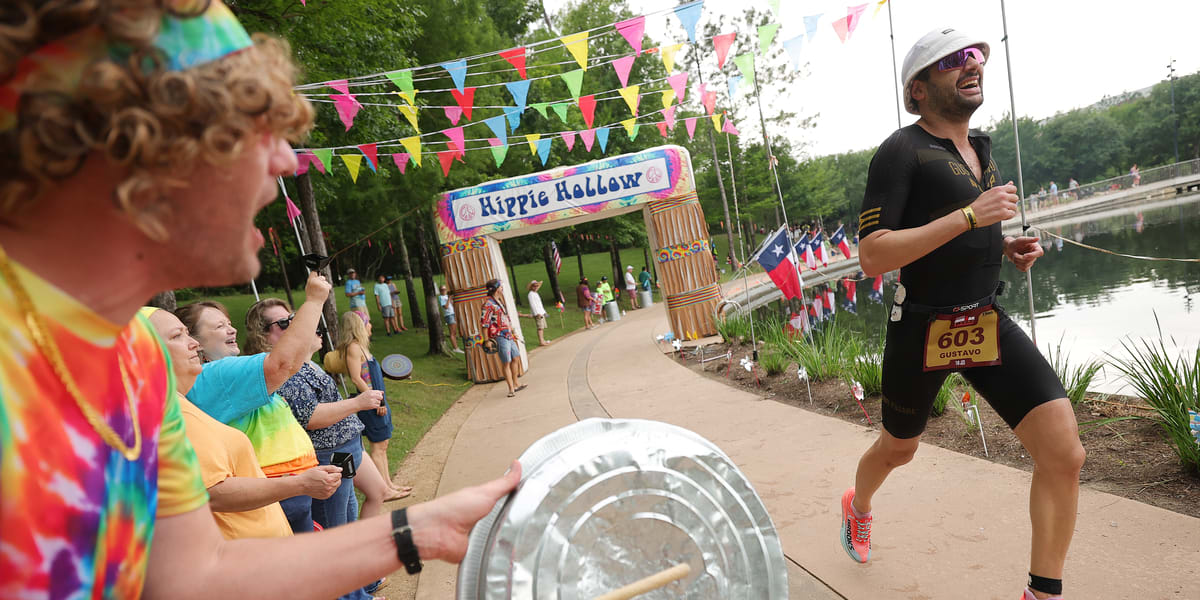 © IRONMAN
3.8 km swim, 180 km bike, 42.195 km run: the IRONMAN is one of endurance sport's most legendary challenges. Finishing it takes less a special gift than a long, consistent and well-organized build-up. Prerequisites, duration, weekly volume, key sessions, nutrition and mindset: here is how to put your plan together.
What do you need before taking on an IRONMAN?
Have finished at least one 70.3 or a long-distance triathlon, ideally without major problems.
Have been racing triathlons for at least two seasons, long enough to build an endurance base in all three disciplines.
Be able to free up 10 to 15 hours a week at the peak of training, with your family on board: an IRONMAN is also a family project.
Get a medical check-up with a sports doctor, ideally including a stress test.
How long does it take to prepare for an IRONMAN?
Most plans run for 24 to 30 weeks of specific training, or six to seven months. Many triathletes fold this into a year-long project, using an IRONMAN 70.3 or a long-distance triathlon as a test race a few months before the goal.
Phase | Duration | Indicative weekly volume | Goals |
|---|---|---|---|
Base | 8 to 10 weeks | 8 to 10 hours | Endurance, technique, strength |
Build | 8 to 10 weeks | 10 to 13 hours | Longer long sessions, threshold work |
Specific | 6 to 8 weeks | 12 to 15 hours | Race pace, long combined sessions, nutrition |
Taper | 2 to 3 weeks | 40 to 60% reduction | Freshness on race day |
These volumes are rough benchmarks for an age-grouper aiming to finish in good shape. Every three or four weeks, an easier week lets the training load sink in.
Which sessions matter most?
The long bike ride
It's the cornerstone of the build. At peak it reaches 5 to 6 hours, at endurance pace with race-pace blocks in the specific phase, and gets close to 150 km. The bike accounts for roughly half of race time: this is where you build endurance and test your nutrition.
The long run
It usually tops out around 2h to 2h30. Running longer in training wears you down without a proportional gain, especially since the IRONMAN run is done on legs already worn out by the bike.
Bricks
The most race-specific session: a long bike ride followed by 30 to 60 minutes of running at IRONMAN pace. It teaches you to manage pace and fueling under race conditions.
Swimming
Three sessions a week if possible, including one long session of 3,000 to 4,000 m. Regular open-water swimming in a wetsuit is essential, especially for sighting.
The long weekend
In the specific phase, many triathletes string together a very long bike ride on Saturday and a long run on Sunday. It's the time to validate your kit and your nutrition over long durations.
How do you manage nutrition on an IRONMAN?
On an event lasting 10 to 16 hours, nutrition is often what separates a good race from a DNF. Common recommendations for very long efforts sit around 60 to 90 grams of carbohydrates per hour, adjusted to your tolerance, with steady hydration and sodium intake. Most of your fueling happens on the bike. Build your nutrition plan during long sessions and train your gut: nothing new on race day.
How do you manage your race on the day?
Swim: line up according to your level and swim at your own pace. Most races now use rolling starts (small groups of ten swimmers at most), which removes much of the stress of the old 'washing machine' starts. Nobody wins an IRONMAN in the swim, but plenty ruin it there.
Bike: stay at a moderate intensity, even if you feel strong. Riding too hard is the main cause of a painful marathon.
Run: start cautiously, walk through the aid stations if needed, and break the race into segments.
What to remember
An IRONMAN takes six to seven months of specific work, often within a one-year project.
10 to 15 hours a week at peak, with bike rides up to 5 or 6 hours.
The long run tops out around 2h to 2h30.
Nutrition and bike pacing are the keys to the final marathon.
FAQ
What's the budget for an IRONMAN?
Plan for the entry fee, often several hundred euros, plus travel, accommodation and gear (bike, wetsuit, nutrition). The total varies a lot depending on the race you choose and the equipment you already own.
Can you do an IRONMAN without having done an IRONMAN 70.3?
It's possible, but not advised. The IRONMAN 70.3 format lets you validate your management of long efforts, your nutrition and your kit under race conditions.
What is the IRONMAN cut-off time?
It is set by each organiser, usually around 16 to 17 hours, with intermediate cut-offs after the swim and the bike. Check the rules of your race.