
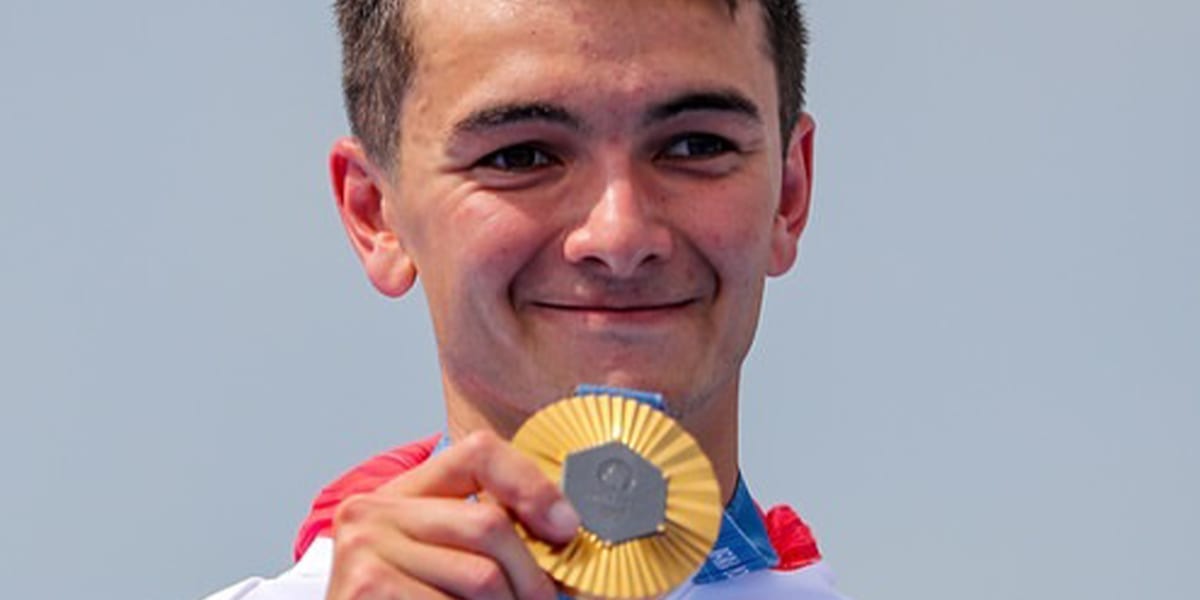
Riding the high of his Olympic title in Paris 2024, Britain’s Alex Yee got straight back to work for the 2026 season after a standout marathon detour in 2025. The Valence Triathlon Club athlete looks back on a hugely productive couple of years and talks about what’s next, with his sights still firmly set on Olympic-distance triathlon. Interview.
Alex, how did you experience and process your Olympic title in Paris?
Paris was an incredible moment, but I didn’t want it to feel like the finish line. I took time to enjoy it with everyone who helped me get there, then I got back to work pretty quickly. That medal definitely brings confidence, but what really drives me is the journey ahead and the desire to keep improving.
Was it hard to find motivation again after an achievement like that?
I think it’s normal to take a bit of a step back after an Olympic cycle. Once I set new goals, the motivation came back naturally. What’s always driven me isn’t ticking a box or winning a title, but becoming a better athlete!
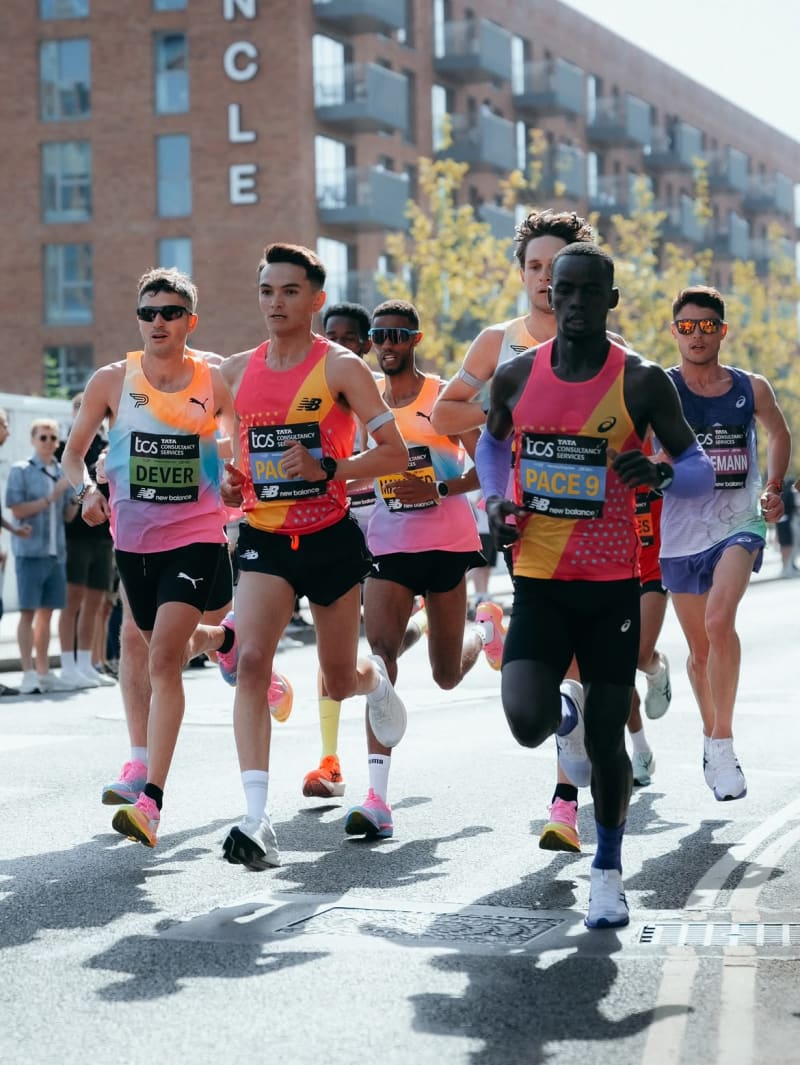
I’d be curious to see how far I can go in the marathon
Do you think you’ve reached your potential in the marathon?
No, I don’t think so. My Valencia Marathon in 2025 (2:06:38) showed me what I’m capable of, but also how much I still have to learn. If one day I decided to fully commit to that distance for a longer period, I’d be curious to see how far I could take it.
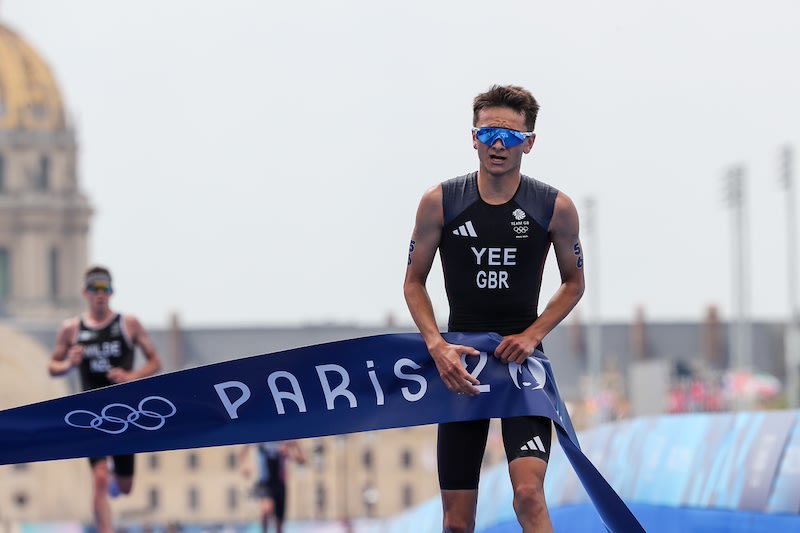 © World Triathlon
 © World Triathlon
How does marathon prep differ from preparing for Olympic-distance triathlon?
The marathon needs a much more specific build, with a big run volume and constant work on efficiency. In triathlon, training is far more varied because you’re spreading the work across three disciplines. That said, triathlon already gives you a great aerobic base, which is a real advantage.
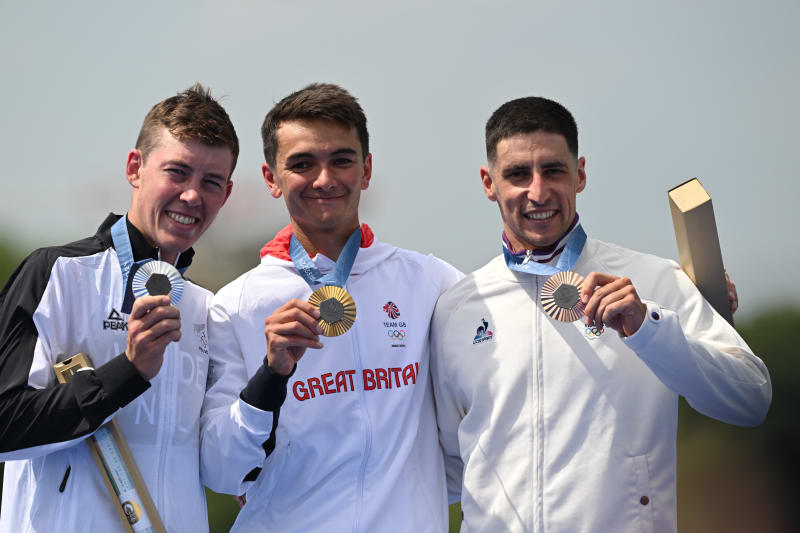 © CNOSF / KMSP
Does the idea of becoming the fastest British marathoner in history excite you?
It’s a prestigious record, but I’ve never chased numbers. If one day I focus on the marathon and that record comes as a reward for a great performance, I’d obviously be very proud.
With your running background, can you see yourself lining up for an Ironman one day?
Right now, I’m still really enjoying the Olympic distance. I loved building for and racing a marathon, but I’m not looking that far ahead yet.
Did that marathon build help you improve as a triathlete?
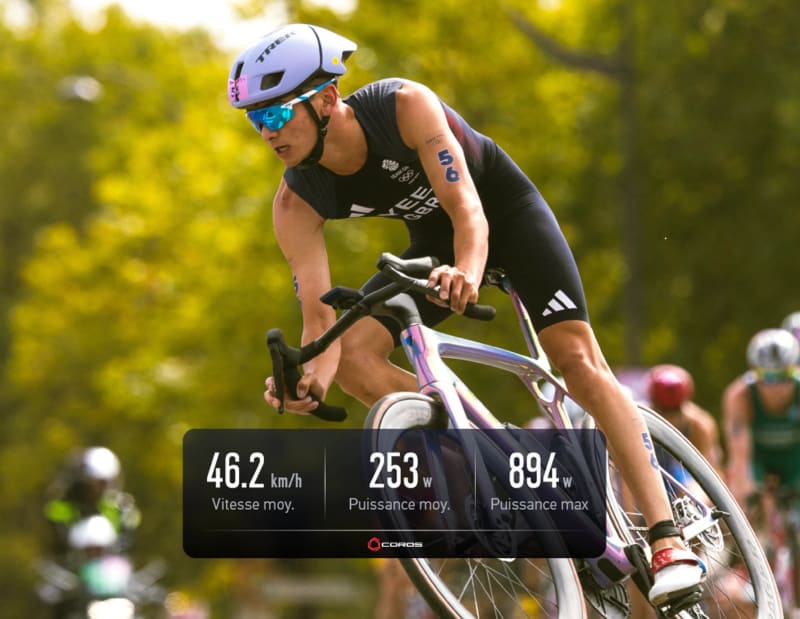
Yes, without a doubt. It pushed me to analyse my running mechanics even more, along with fatigue and recovery. The data we gathered with COROS throughout that build was really useful. It helps us make better decisions from one training block to the next. It’s a real asset when it comes to planning.
 © New Balance
 © New Balance
 © New Balance
 © New Balance
People still often describe you as “an exceptional runner”. Does that reductive label annoy you?
I understand why, because running has always been one of my strengths. But you don’t become Olympic triathlon champion just by running fast. I’m proud of all the work I’ve put into swimming and cycling to become a more complete athlete.
 © COROS
Who helped you most to improve in the swim and on the bike?
It’s really been a collective effort. My coaches, my training partners and British Triathlon have supported me for many years. There wasn’t one single breakthrough, just a lot of work, consistency and learning.
Remind us how you discovered triathlon?
I did a mini-triathlon at Crystal Palace and I was hooked straight away. I loved the variety of the sport, and also the group of friends and training partners that quickly formed around me. They’ve meant a lot in my journey.
How did you choose between athletics and triathlon?
I’ve always seen myself as a triathlete. It wasn’t an easy call because I love running, but triathlon kept offering me new challenges. The chance to improve in three different disciplines appealed to me straight away.
Now my eyes naturally turn to the Los Angeles 2028 Olympics in triathlon
How do you look back on the start of your 2026 season?
It’s obviously not the start to the season I’d hoped for. Yokohama (5th place) gave me a few positives, while my DNFs in Quiberon and Alghero were disappointing, even if they were the right calls in the moment. In London, I crashed on the bike and still ran the fastest split (Editor’s note: 13:52 for 5km) to finish 14th. Now it’s about taking the lessons from it all to prepare for the next big targets. The Los Angeles Games are in two years, and that’s naturally where my focus is now.
Did you feel any particular pressure succeeding the Brownlee brothers (Alistair and Jonathan)?
They’ve mainly been a source of inspiration. They left a huge mark on British triathlon and showed what was possible. I’ve always wanted to build my own path, while having a lot of respect for the legacy they’ve left us.
How did your story with Valence Triathlon Club in France begin?
The club backed me at a time when I didn’t have any standout results yet. They supported me massively in my early years. Valence Triathlon Club has a real high-performance culture, and the French Grand Prix is probably one of the strongest circuits in the world. It played a major role in my development.
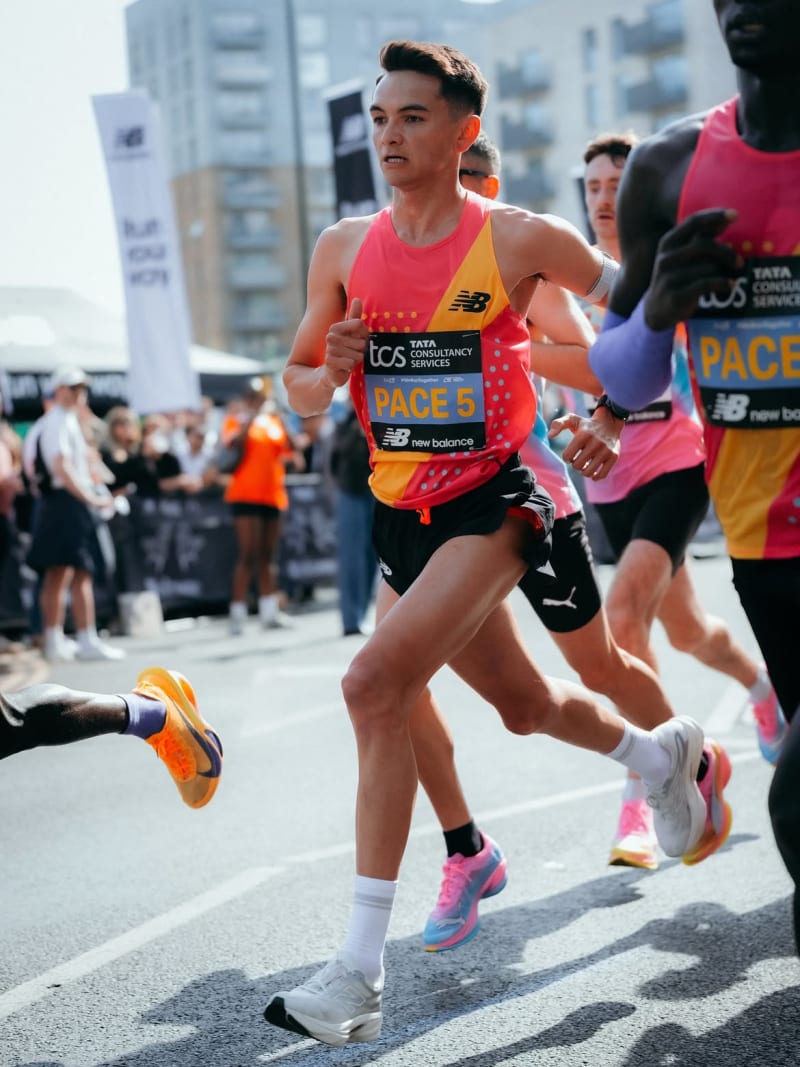 © Dan Vernon
 © Dan Vernon
How are you preparing for the Los Angeles 2028 Olympics?
My goal is simply to improve a little each season in each of the three disciplines, rather than looking too far ahead. If I keep moving forward consistently, I hope to arrive in Los Angeles in the best shape possible.
How important is all that data in your training these days?
I’ve always liked matching how I feel with objective data. Heart rate is a great marker to make sure easy sessions stay truly easy, and that each workout is driving the adaptations you’re after. With COROS, we also track how my recovery and training load evolve over the long term, rather than drawing conclusions from a single session. In the end, data is there to support the process. It never replaces feel, but it helps you make better decisions day to day.
 © COROS