
 © IRONMAN
The History and Legend of Hawaii’s IRONMAN, the Holy Grail of Triathlon
Published on Mon, September 21, 2026
Hawaii is where IRONMAN triathlon began. On volcanic ground, sometimes scorched by lava, the seed took root. Combining three sports over three gargantuan distances gave triathlon, and the IRONMAN distance, its stamp of greatness. No frills, barely any rules, and a minimalist approach, all in the freewheeling spirit of the 1970s. It happened quietly, far from the sprawling spectacle the IRONMAN circuit has become. The Collinses’ idea was clearly the right one, and the Hawaiian archipelago the perfect setting. Nearly 50 years on, the IRONMAN flame still burns in the hearts of hundreds of professional triathletes and thousands of amateurs, all dreaming of setting foot one day on triathlon’s Promised Land. Triathlons.com takes you back to the heart of Hawaii’s triathlon history.
The history of modern triathlon is closely tied to one continent, America, and two of the states most deeply associated with the American dream. First came California in the 1970s, where anything seemed possible, including taking up new sports, especially board sports, but not only those. Then came Hawaii, the 50th and last state to join the Union. It was on this West Coast and in the middle of the Pacific that triathlon’s legend would be written. Children of the beatniks and hippie California, these long-haired, swim-brief-wearing, bare-chested triathletes had a blast, opening cracks in the world of endurance sport and creating a singular universe of their own, with its codes gradually taking shape.
 © Scott Tinley’s personal collection
Europe, then California, before Hawaii
While Belle Époque Europe had laid the foundations for multi-sport events in the 1920s, combining running, cycling and rowing, and sometimes swimming or canoeing, it was the new wave of Californian athletes that would establish this new discipline, called triathlon, and drive its emergence.
The first event officially called a triathlon was held in San Diego in 1974, although the order of disciplines was not the one we know today. It was a run-bike-swim sequence. Later, legend has it that the modern three-discipline format was officially born in a Honolulu bar called Le Primo. The spark was a challenge set by US Navy Marines stationed in the archipelago, probably after a few pints. Looking for a test, the servicemen wondered which athlete was the most complete and toughest: the swimmer, the runner or the cyclist.
To settle the argument, Commander John Collins, already one of the 46 finishers at the San Diego triathlon, suggested that the best athlete should be the winner of a race combining the three toughest events in the archipelago:
- the Waikiki Roughwater Swim (3.85 km of swimming)
- the Around-Oahu cycling race (185 km on the bike)
- the Honolulu Marathon (42.195 km of running)
A first edition in Honolulu, with women on the start line from the second race
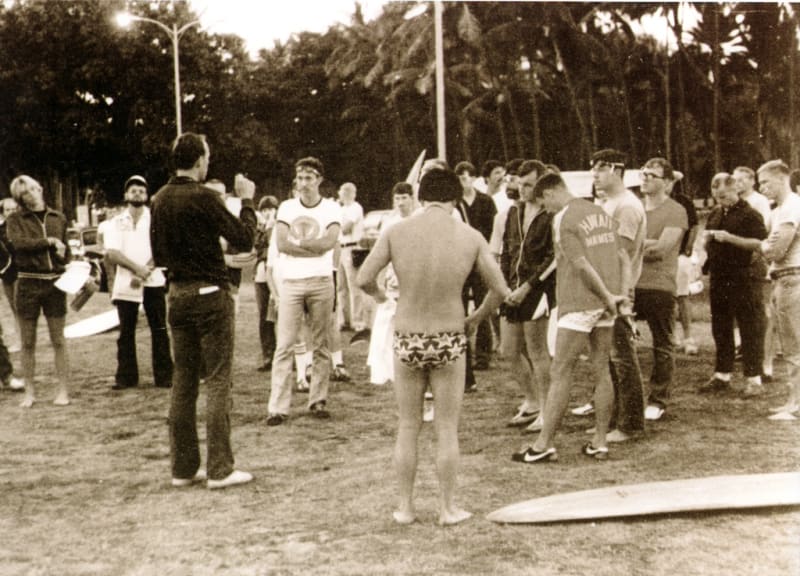
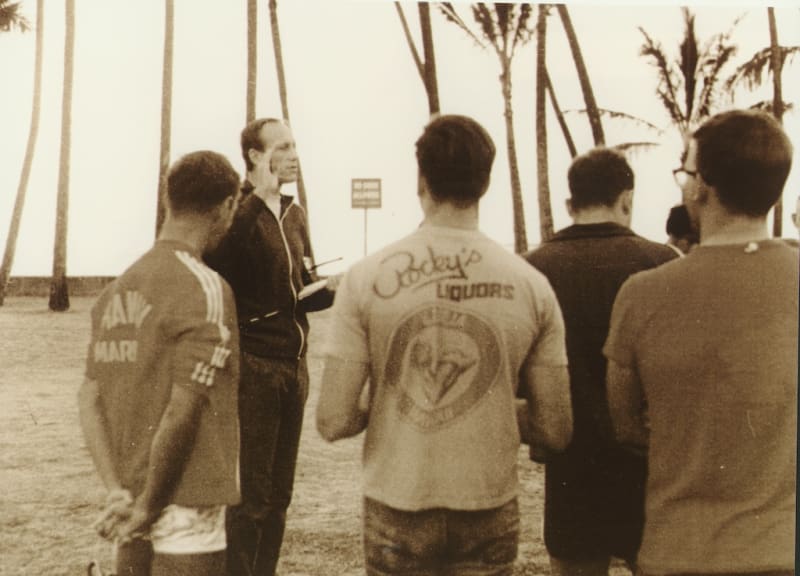
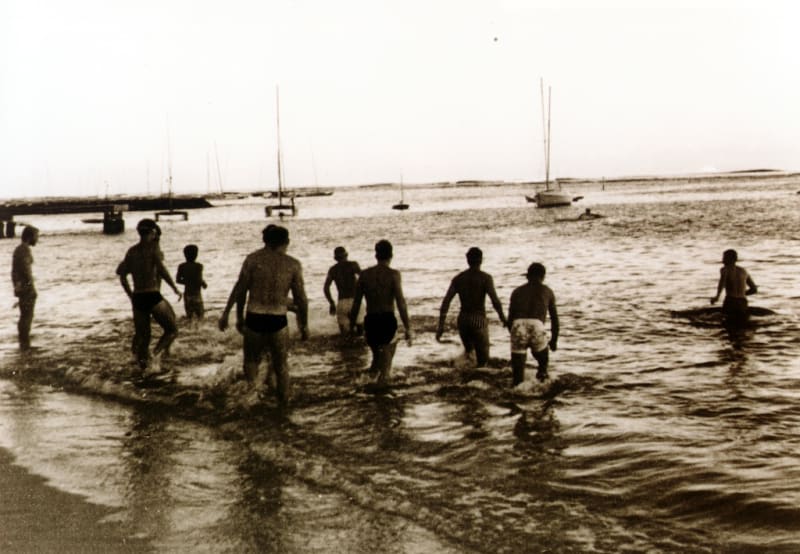
And so the format now known as IRONMAN was born: 3,800 m of swimming, 180 km of cycling and 42.195 km of running. There was no halfway option and no intermediate distance for these true pioneers. They went straight for the full dose. Collins simply adjusted the existing courses so that their start and finish points matched on the shores of Waikiki. Then he added: “Whoever finishes first, we’ll call him the Iron Man.”
 © IRONMAN Archives
 © IRONMAN Archives
 © IRONMAN Archives
 © IRONMAN Archives
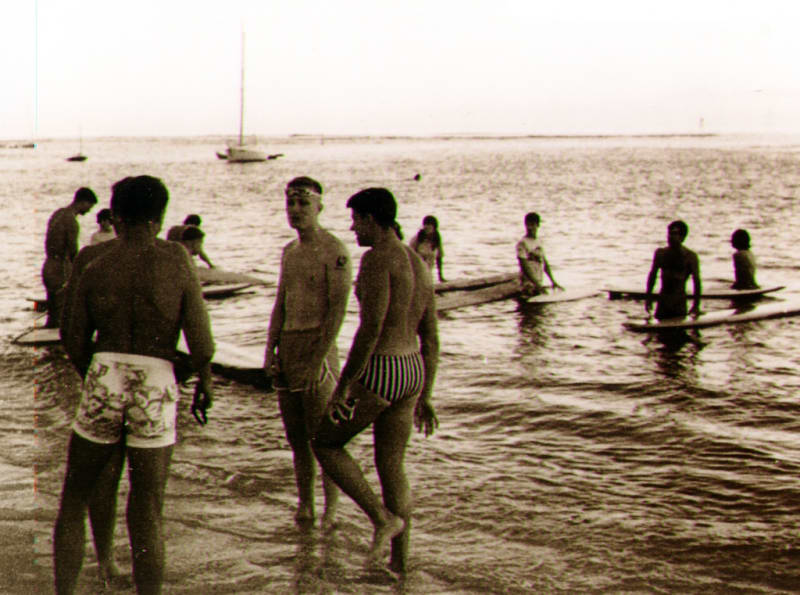
In February 1978, in Honolulu on the island of Oahu, 15 men took on this punishing three-part challenge. Twelve finished, and each received an iron figurine. Gordon Haller was the first across the line, in 11:46:58, while John Collins finished in 17 hours. The following year, more than 50 athletes took on the challenge, including the first woman, Lyn Lemaire, a cyclist who finished fifth overall. At a time when women were still denied bibs in road races such as marathons, triathlon was already showing real openness by welcoming women without hesitation.
After its meteoric rise, the race moves to Kona on the Big Island
The IRONMAN distance was born, and born strong. A feature in Sports Illustrated, followed by the first television report, gave the event unexpected momentum. Over the years, the Hawaiian archipelago became the sport’s essential stage. When the event moved from Oahu to Kona in 1981, it was to cope with its growing success and give athletes the best possible conditions.
Nearly 50 years later, thousands still make the journey at the end of each season to compete in what became the IRONMAN World Championship in 1990. Throughout the season, more than 100,000 athletes chase the coveted slot at the hundreds of IRONMAN races now held in around 60 countries, earning them a place at the Hawaiian final.
 © David Epperson/IRONMAN
Kona, a small town of 12,000 residents, lives to the rhythm of triathlon once a year. In this volcanic region, the epicentre of an earthquake in 2006 and hit by the eruption of Kīlauea in 2018, triathlon has carved out its place, watched by locals bemused by the sudden October invasion of these oddly dressed athletes, whose outfits initially seemed inappropriate (*). There is no escaping IRONMAN fever during those two weeks in Kona, especially around the famous Pier. From first light, jet-lagged triathletes head into the warm Pacific waters, looking for reassurance before the race of the year. Alongside manta rays, dolphins and turtles in Captain Cook Bay, most age-group athletes live out a dream during their stay.
The Pier, its chapel, Queen Ka’ahumanu Highway and Energy Lab
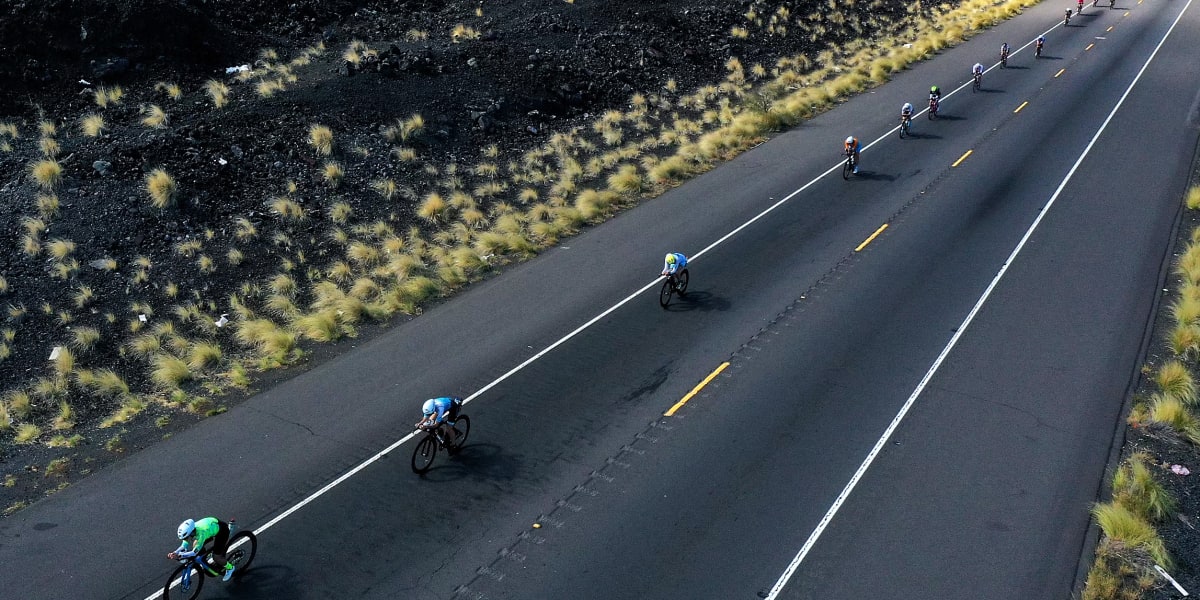
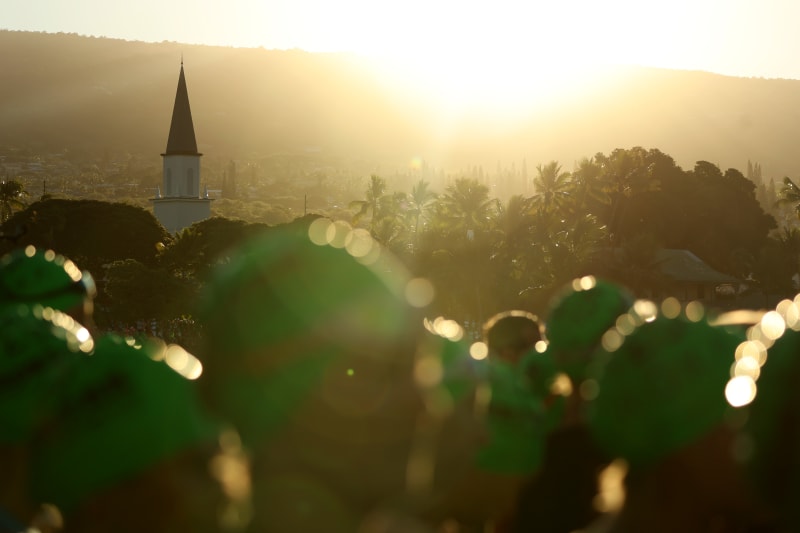
On race day, a liberating cannon blast sends athletes into 3,800 m of non-wetsuit swimming, while the roof of the iconic white chapel slowly fades into the distance as currents shift beneath them. Then come 180 km on the bike, with a deceptively hefty 1,500 m of elevation gain, the out-and-back to Hawi and the often headwind-blown return along the endless Queen Ka’ahumanu Highway. Finally, a marathon in the oppressive heat and humidity of Energy Lab, that vast boiling lava field, or along Palani Road and its short, leg-breaking climbs. At the end of the journey comes a red-hot finish on the Pier, with laurel and hibiscus crowns, or the colours of a magnificent sunset lighting the final metres for the age-groupers.
 © Christian Petersen/IRONMAN
Outlandish race scenarios, and still no French winner
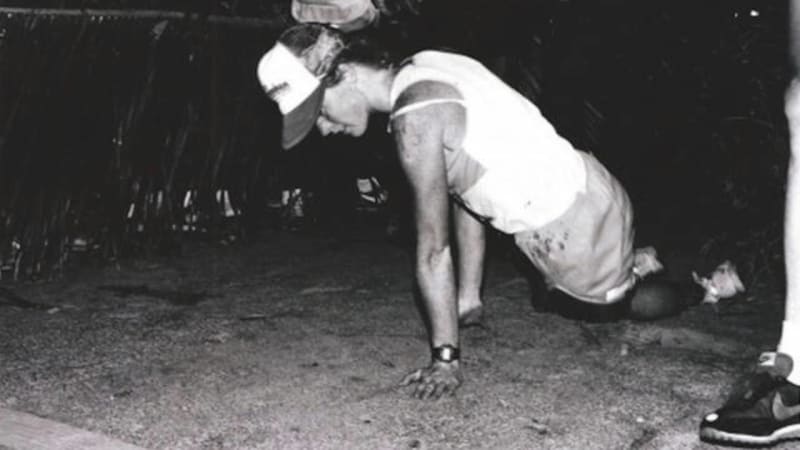
The island’s paradise setting, the perfect counterpoint to the hell athletes can endure on the course, is central to the myth: dream scenery, a unique atmosphere, flawless marketing, a course that is tougher than it looks because of often volatile and difficult weather, and the drama inherent in this kind of ultra-endurance event. Julie Moss crawling to the finish in 1982, sudden blow-ups, athletes rising from the ashes after coming from behind, and the achievement of every finisher: all these images and moments have shaped Hawaii’s history and mythology.
 © IRONMAN Archives
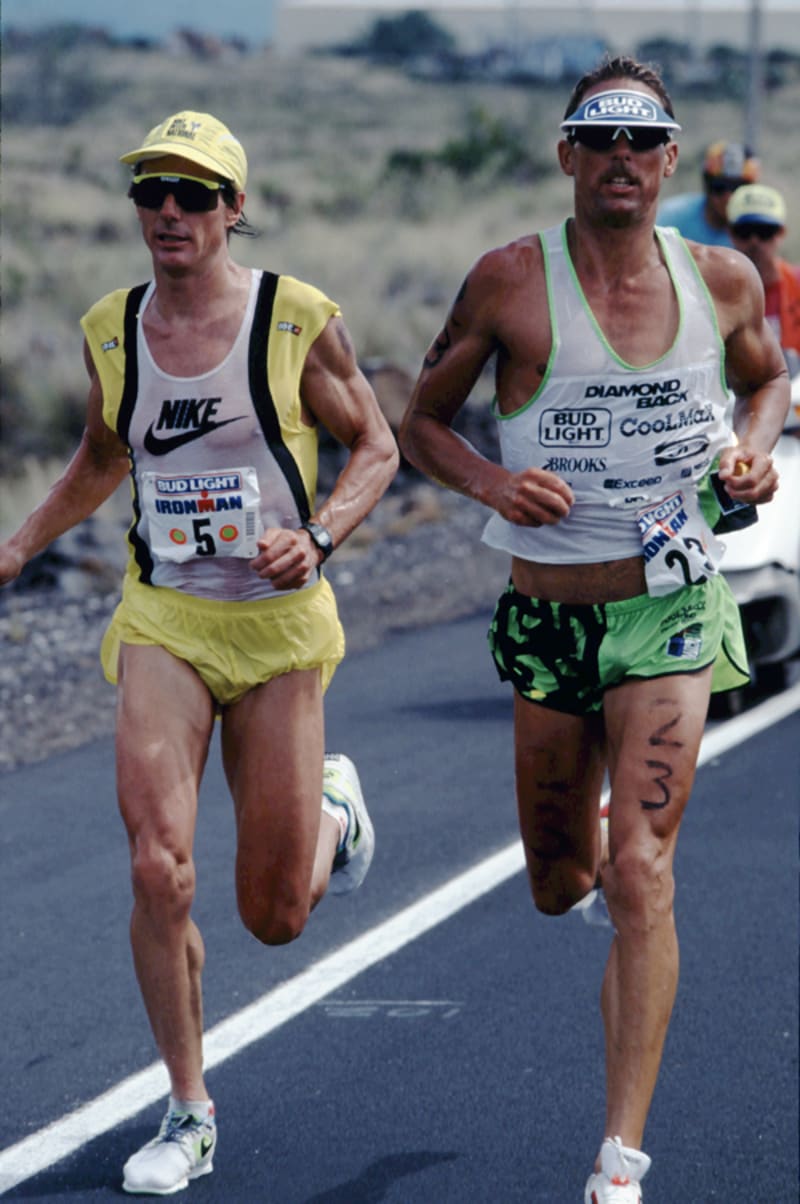
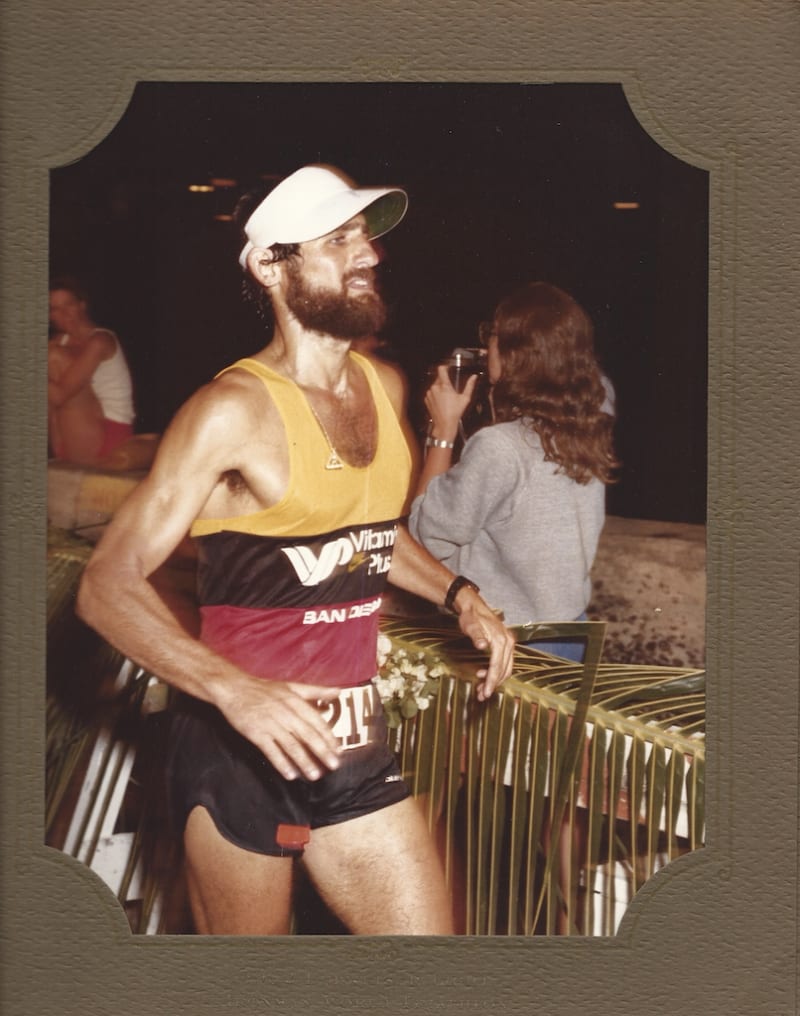
Running in Kona and crossing that finish line means joining the pioneers of the sport in the legend, including the American Big Four: Dave Scott, Mark Allen, Scott Molina and Scott Tinley. Between them, they won 13 editions in the race’s early years and helped popularise the three-discipline challenge around the world. It means saying you raced alongside the stars of the 1990s and 2000s: Greg Welch (Australia), Luc Van Lierde (Belgium), Thomas Hellriegel (Germany), Peter Reid (Canada), Tim DeBoom (United States) and Normann Stadler (Germany).
 © David Epperson/IRONMAN
 © IRONMAN Archives
 © IRONMAN Archives
 © Circa
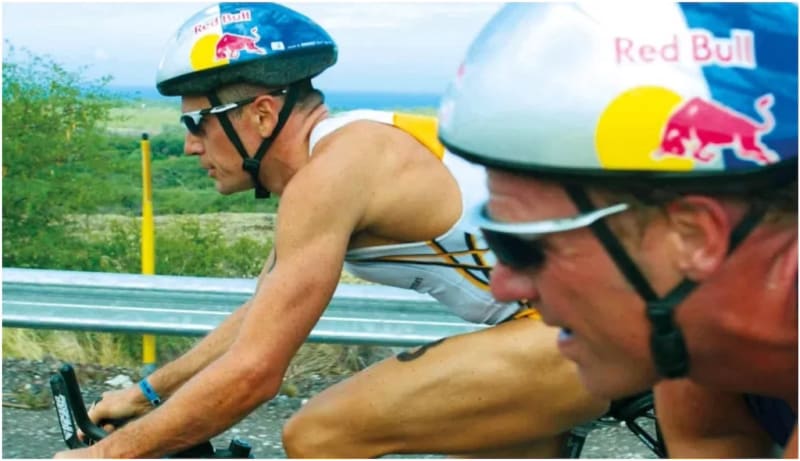
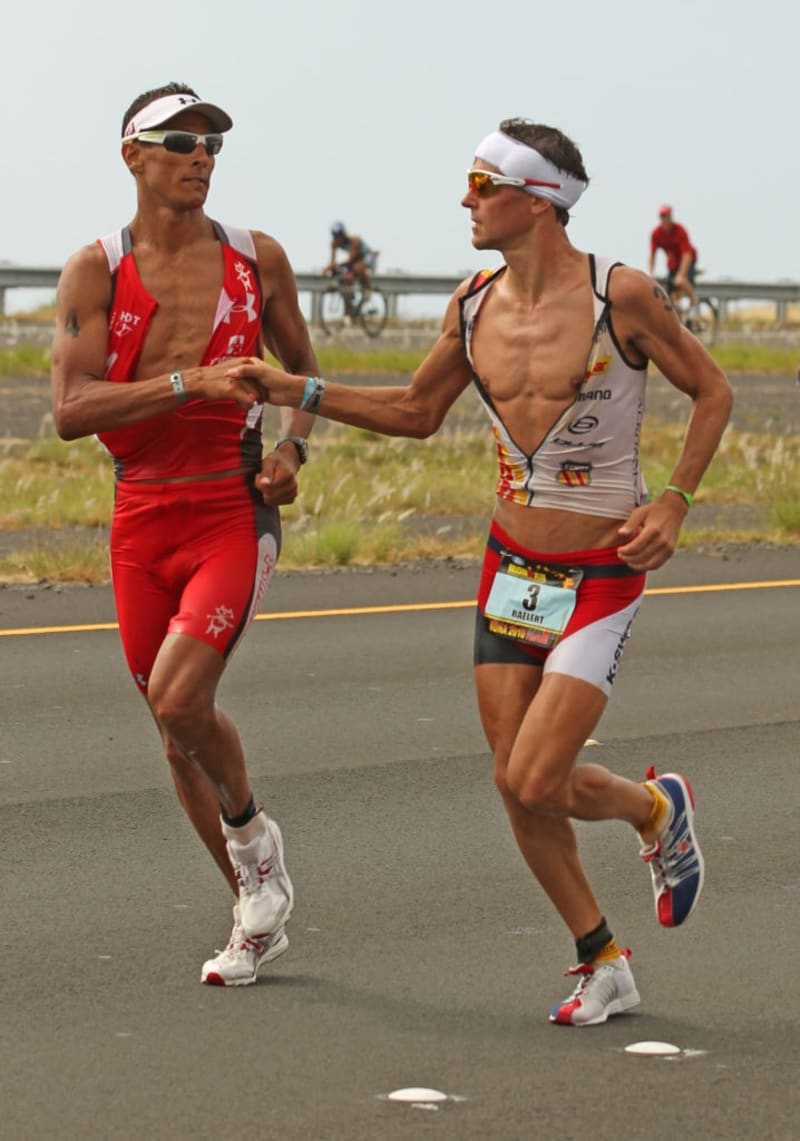
It means reliving the extraordinary handshake during the marathon in 2010 between Australia’s Chris McCormack and Germany’s Andreas Raelert, who let the eventual two-time champion pull away, a symbol of Southern Hemisphere dominance between 2007 and 2012.
 © Tony Svensson/IRONMAN
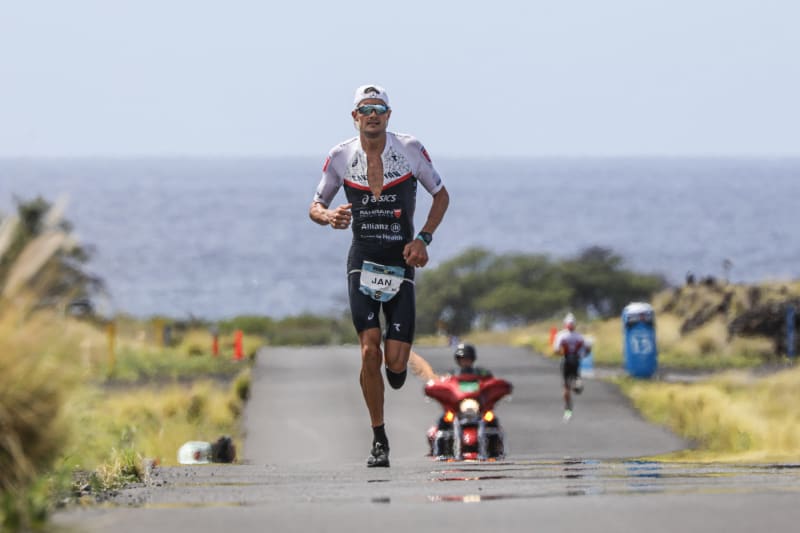
It means watching from afar as Germany dominated from 2014 to 2019, with Patrick Lange, Jan Frodeno and Sebastian Kienle taking turns to win, and seeing a new generation of Norwegian triathletes emerge, who could well rule again this year.
 © Spomedis
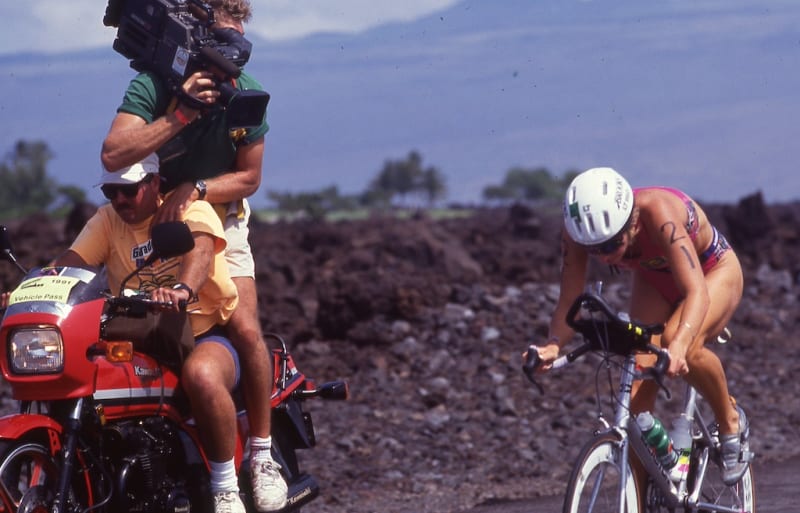
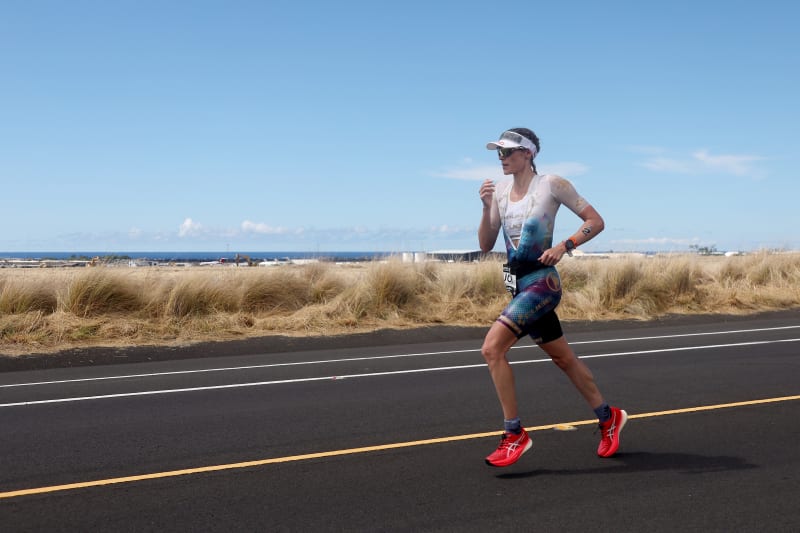
It also means witnessing the remarkable progress of women athletes. From Zimbabwe’s Paula Newby-Fraser to Swiss athletes Natascha Badmann and Daniela Ryf, via Britain’s Chrissie Wellington, Australia’s Mirinda Carfrae and Lucy Charles-Barclay, they have steadily closed the gap on their male counterparts.
 © David Epperson/IRONMAN
 © IRONMAN Archives
 © Robert Oliver/IRONMAN
 © Christien Petersen/IRONMAN
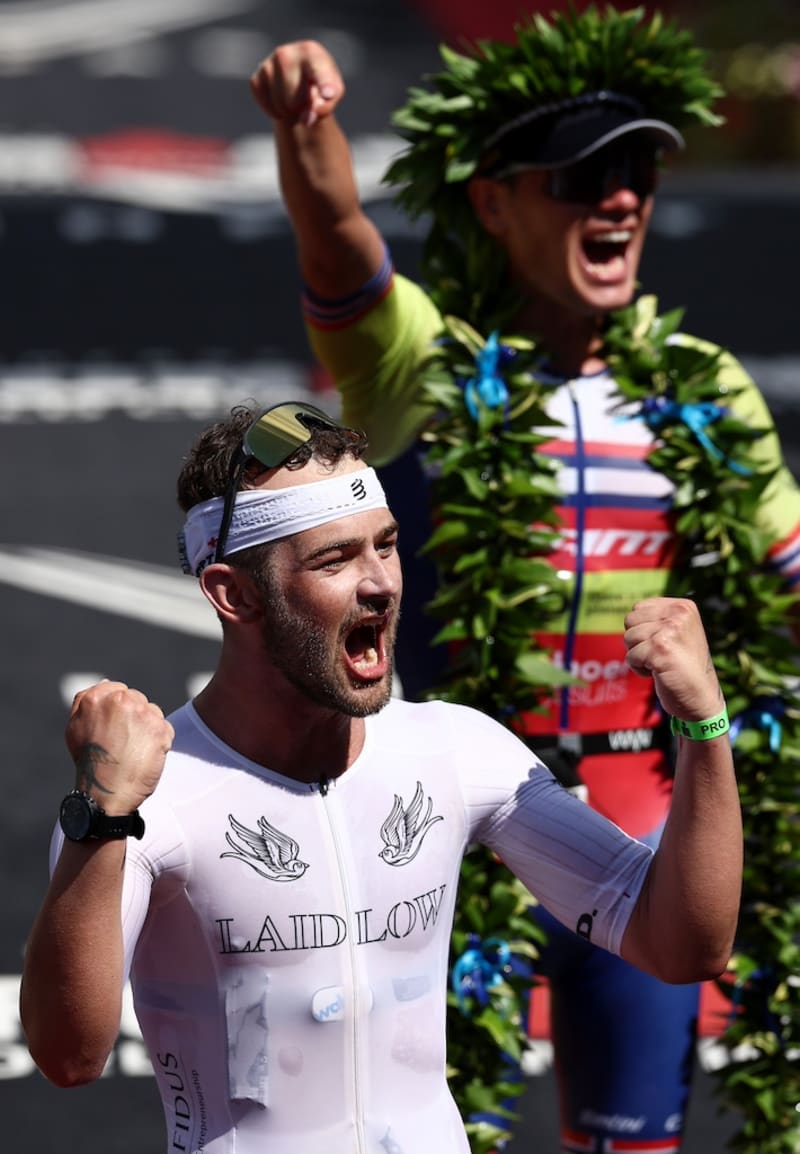
And it means wondering when a French athlete will finally add their name to the winners’ list. Sam Laidlow, runner-up in Kona in 2022, appears best equipped to succeed where previous French leaders such as Patrick Vernay, Cyrille Viennot, François Chabaud, Isabelle Mouthon, René Rovera and Yves Cordier fell short: reaching the top step of the Hawaiian podium. He already has the psychological advantage of becoming, in 2023, the first French IRONMAN World Champion. But that title came in Nice.
An event almost undone by its own success
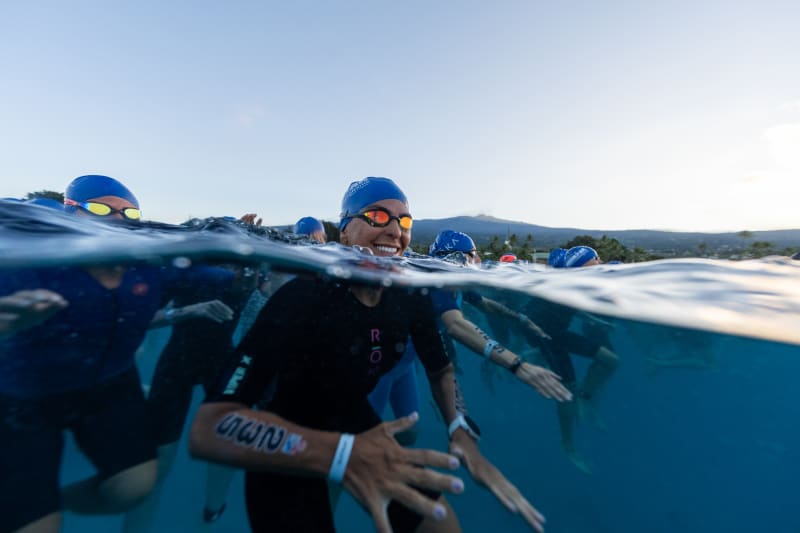
As seasoned businessmen, the bosses of IRONMAN, now a bankable brand, wanted to make the Hawaiian dream accessible to more athletes. In just a few years, the number of qualifiers for the Kona final rose from 1,700 to 2,300, creating problems with drafting in particular and calling the fairness of the race into question. Wave starts, introduced in 2019, corrected the problem. But they also ended the Mass Start, so symbolic of a sport in which everyone, from champion to amateur, could claim to be starting the same race side by side. The swelling field also led to the introduction of a women’s race on Saturday and a men’s race on Sunday in 2019, increasing the logistical demands and headaches in the small Hawaiian town.
 © Donald Miralle/IRONMAN
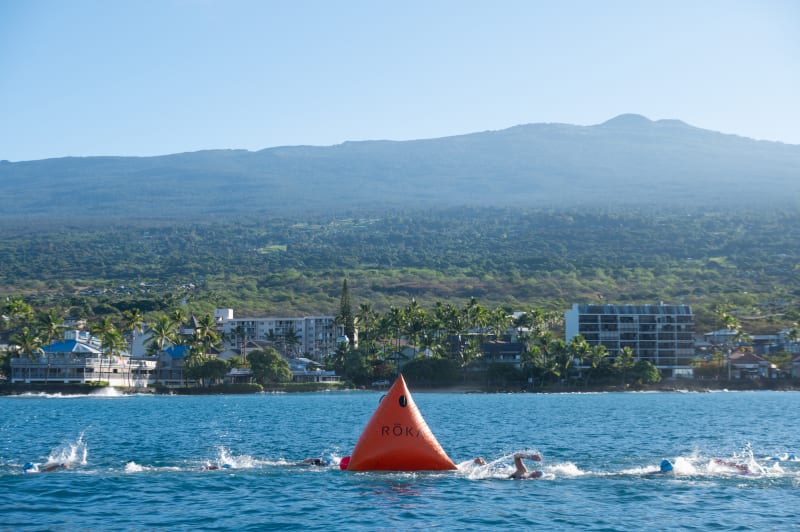 © Donald Miralle/IRONMAN
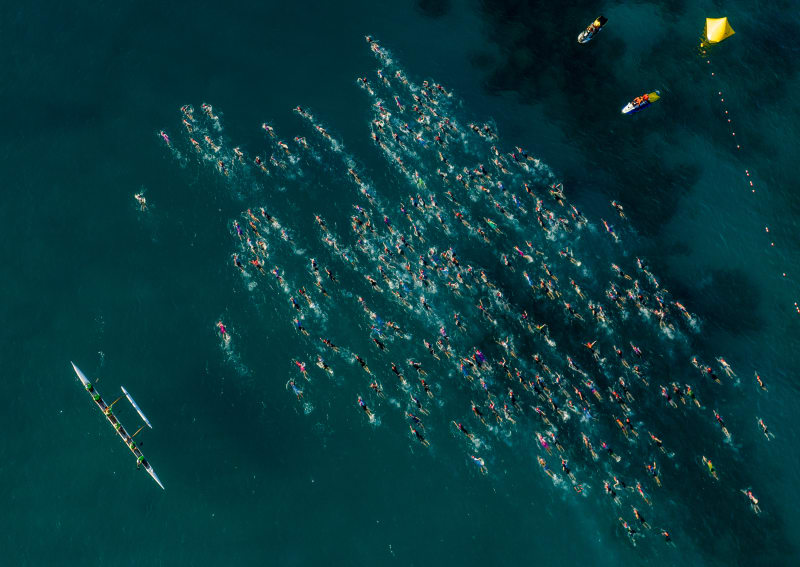 © Donald Miralle/IRONMAN
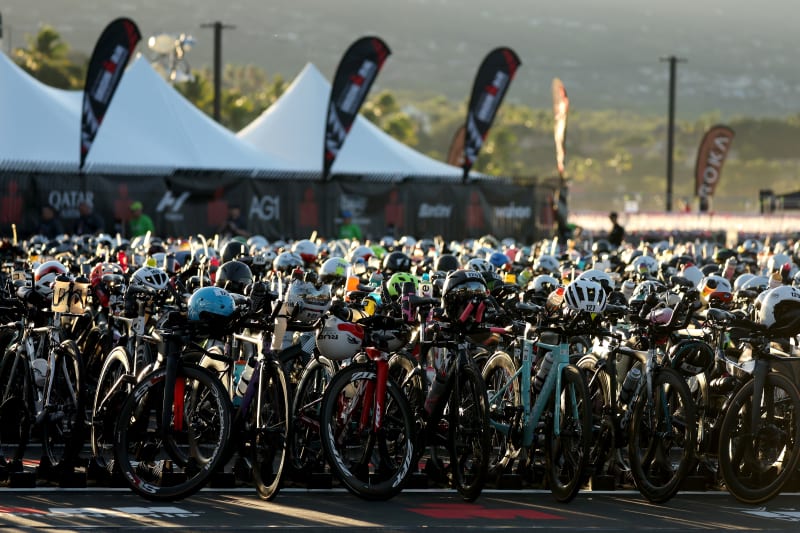 © Christian Petersen/IRONMAN
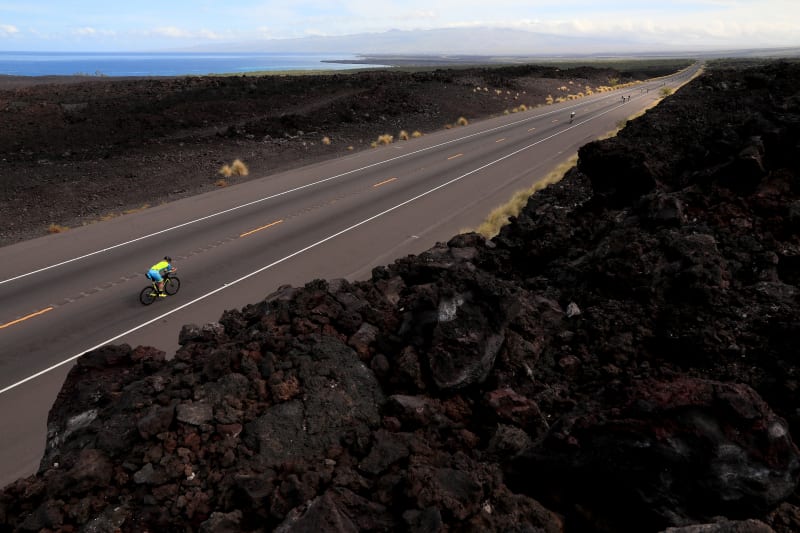 © Tom Pennington/IRONMAN
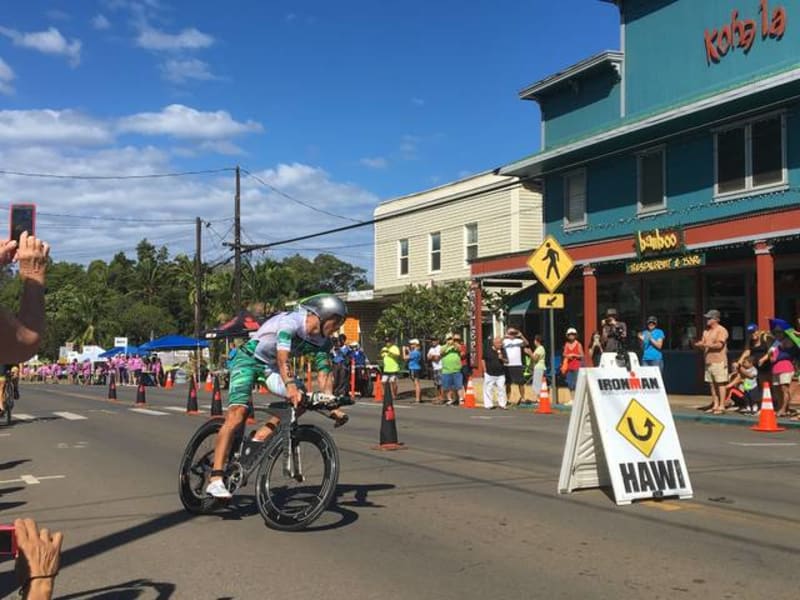 © IRONMAN Archives
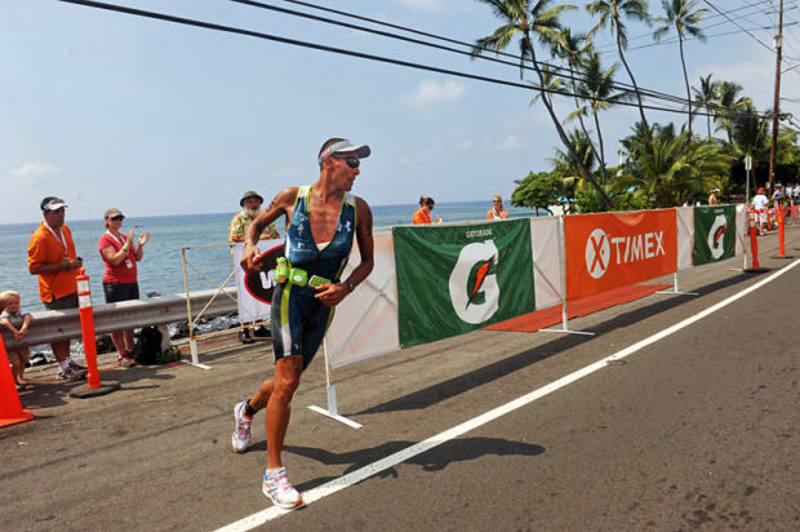 © IRONMAN Archives
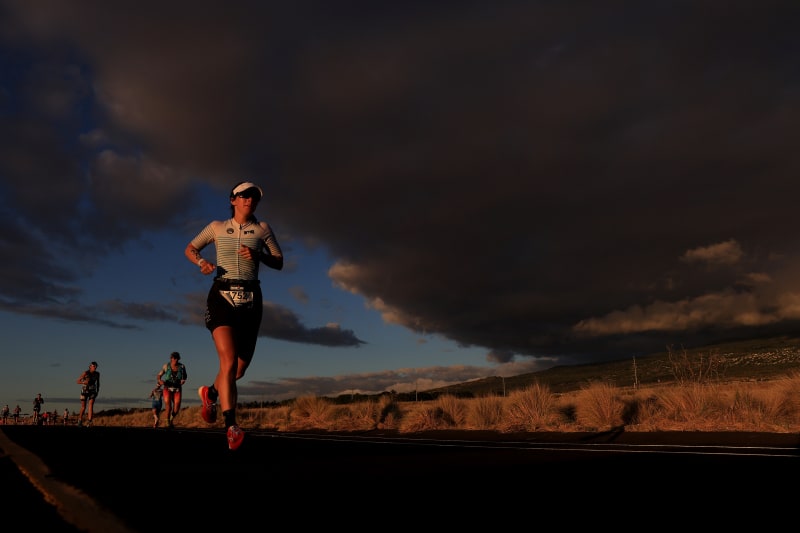 © Sean M. Haffey/IRONMAN
The overcrowding in Kona during race week nearly jeopardised the event’s future and damaged the organisation’s image. That is why, in 2023, IRONMAN decided to alternate the World Championship between Nice, France, and Kona, with the men’s and women’s races also split between alternate years. The idea was widely criticised by the community and ultimately lasted only from 2023 to 2025.
For the 2026 edition, the IRONMAN World Championship returns to its birthplace and spiritual home, Kona, and to its original format: one race combining men and women, with a maximum of 3,000 participants. A return to the roots welcomed across the entire triathlon community.
The IRONMAN Hawaii roll of honour
Year | Women’s winner | Men’s winner |
2025 | Solveig Lovseth (Norway) | Alternated with Nice |
2024 | Alternated with Nice | Patrick Lange (Germany) |
2023 | Lucy Charles-Barclay (Great Britain) | Alternated with Nice |
2022 | Chelsea Sodaro (United States) | Gustav Iden (Norway) |
2021 | Daniela Ryf (Switzerland) | Kristian Blummenfelt (Norway) |
2020 | Cancelled due to Covid | Cancelled due to Covid |
2019 | Anne Haug (Germany) | Jan Frodeno (Germany) |
2018 | Daniela Ryf (Switzerland) | Patrick Lange (Germany) |
2017 | Daniela Ryf (Switzerland) | Patrick Lange (Germany) |
2016 | Daniela Ryf (Switzerland) | Jan Frodeno (Germany) |
2015 | Daniela Ryf (Switzerland) | Jan Frodeno (Germany) |
2014 | Mirinda Carfrae (Australia) | Sebastian Kienle (Germany) |
2013 | Mirinda Carfrae (Australia) | Frederik Van Lierde (Belgium) |
2012 | Leanda Cave (Great Britain) | Pete Jacobs (Australia) |
2011 | Chrissie Wellington (Great Britain) | Craig Alexander (Australia) |
2010 | Mirinda Carfrae (Australia) | Chris McCormack (Australia) |
The French top 10 at the IRONMAN World Championship
Year | Athlete | Place | Time |
2024 | Léon Chevalier | Fourth | 7:46:54 |
2022 | Sam Laidlow | Second | 7:42:23 |
2022 | Léon Chevalier | Seventh | 7:55:51 |